Oct. 08, 2026
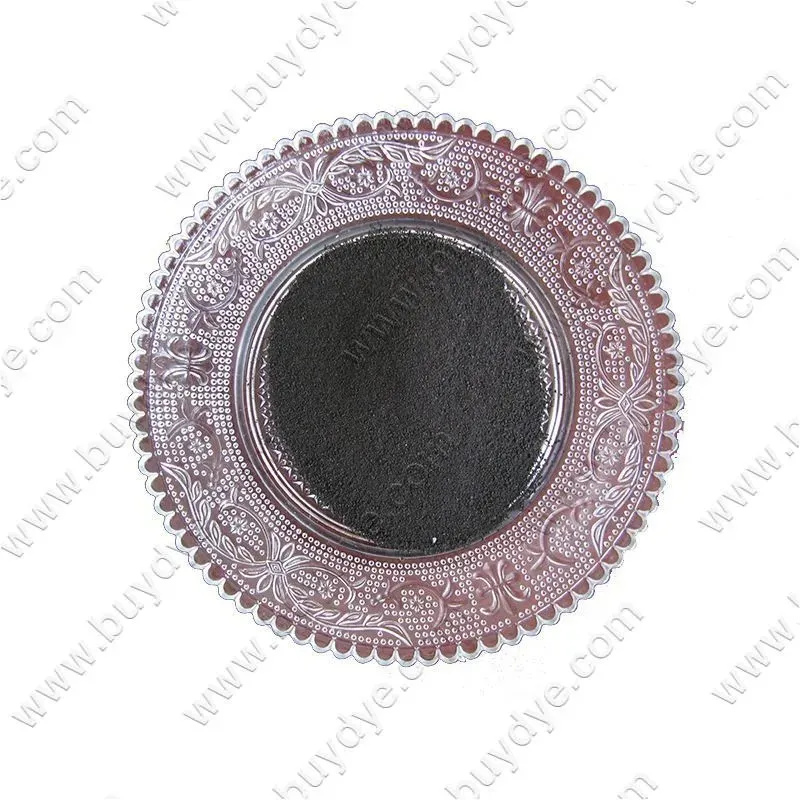
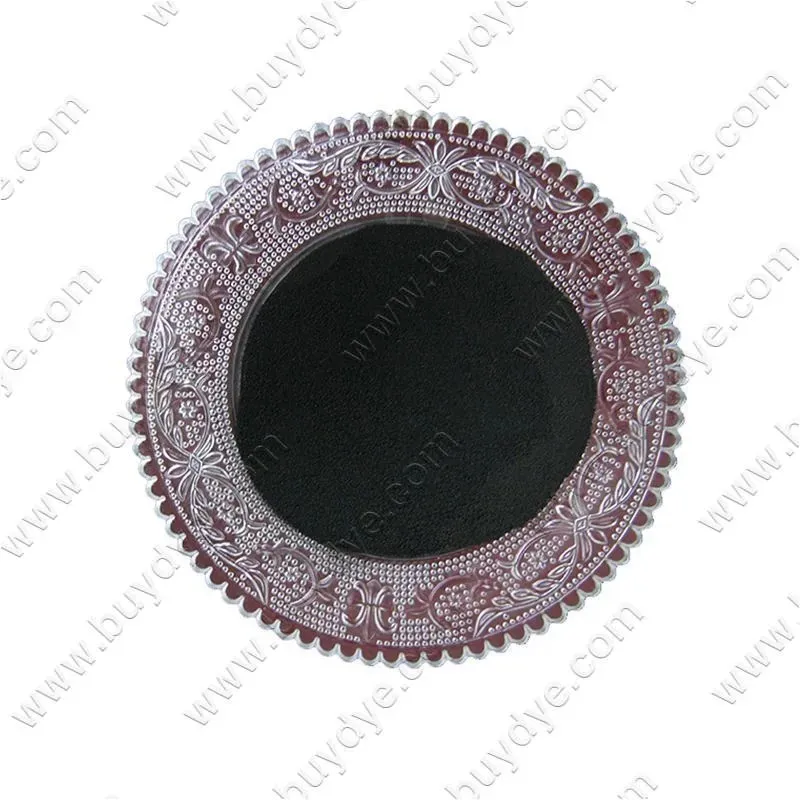
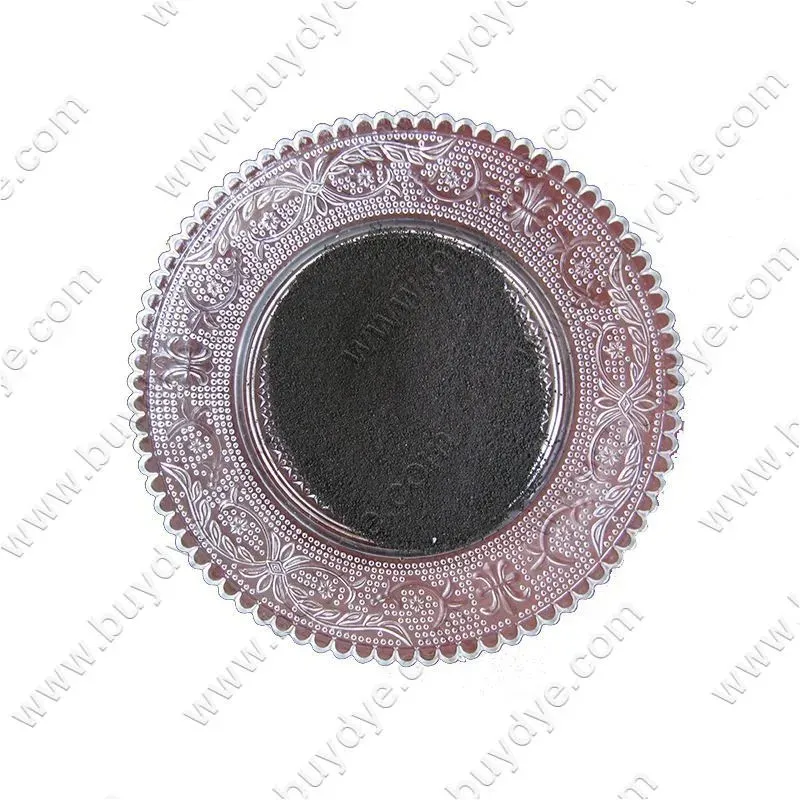
In the world of textile manufacturing, the impact of improper ventilation and inadequate dry storage on sulphur dyes—especially Sulphur Black BR 200%—cannot be overstated. When the conditions under which these dyes are stored and handled are suboptimal, we often observe severe quality degradation. The fading of colors, loss of dye efficacy, and potential chemical instability stem from moisture exposure and poor air circulation. For businesses, the consequences stretch beyond product defects; they result in financial losses, compromised brand reputation, and possible legal liabilities. Hence, addressing these vulnerabilities is not just beneficial—it's vital.
The root causes of the challenges surrounding sulphur dyes primarily hinge on their chemical properties. Sulphur dyes, while popular due to their vibrant hues and excellent wash-fastness, are highly sensitive to environmental factors. Moisture and humidity can initiate chemical reactions that degrade the dye’s structure. Specifically, sulphur dyes can undergo hydrolysis when exposed to water vapor, resulting in performance inconsistencies and diminished color depth. Additionally, inadequate airflow can exacerbate these conditions by promoting an environment conducive to mold and bacterial growth, further complicating matters.
The implications of neglecting proper ventilation and dry storage in the dye manufacturing industry are significant. From a business standpoint, any reduction in dye quality can lead to increased production costs, as manufacturers must reprocess or discard compromised products. A recent case study from a textile firm revealed that a 20% moisture content in stored dyes led to a staggering 30% increase in waste, directly impacting the bottom line. Furthermore, the consistent failure to maintain proper storage conditions can lead to regulatory scrutiny, as adherence to industry standards like ASTM D2776 (for textile color fastness) becomes increasingly challenging.
Quantitative data underlines the urgency of addressing these issues. A study from the American Association of Textile Chemists and Colorists found that manufacturers who implemented robust ventilation systems and proper dry storage protocols observed an impressive 25% reduction in production defects related to dye application. With companies investing heavily in quality assurance practices, ensuring compliance with ASTM and DIN standards has become a critical factor for success in the industry.
However, the risks of ignoring ventilated and dry storage solutions extend beyond immediate financial repercussions. Should equipment failures or lapses in procedure occur, the impacts can reverberate through an entire supply chain. Consider the scenario where one batch of compromised sulphur dye fails to meet client specifications; this could lead to canceled orders, tarnished relationships with key clients, and a diminished reputation in a highly competitive market. Ultimately, neglecting this crucial aspect of dye management not only jeopardizes individual businesses but also threatens the integrity of the broader industry.
In summary, the importance of ventilation and dry storage for sulphur dyes, particularly Sulphur Black BR 200%, cannot be emphasized enough, especially when considering the potential ramifications of inaction. As we venture through an increasingly complex economic landscape, I urge you to assess your operations critically and implement the necessary measures to safeguard your dye products. By prioritizing these storage solutions, you safeguard product integrity, enhance client satisfaction, and ultimately contribute to the longevity and success of your business. Don't wait until it’s too late; make ventilation and dry storage a cornerstone of your quality assurance practices today. For more information, check out the detailed insights available at //www.buydye.com/data/watermark/main/20241111/6731b6b8dbf33_.webp.
Why Solvent Dyes Offer Better Transparency in Plastics
In the world of plastics, achieving the desired level of transparency can be a significant challenge for manufacturers and end-users alike. Common pain points include inconsistent color performance and inadequate clarity, leading to decreased product appeal. Solvent dyes, particularly Solvent Blue 36, present a compelling solution, enhancing transparency while offering vibrant colors. By
Oct. 08, 2026
Why Ventilation and Dry Storage Matter for Sulphur Dyes
In the world of textile manufacturing, the impact of improper ventilation and inadequate dry storage on sulphur dyes—especially Sulphur Black BR 200%—cannot be overstated. When the conditions under which these dyes are stored and handled are suboptimal, we often observe severe quality degradation. The fading of colors, loss of dye efficacy, and potential chemical instability stem from
Oct. 08, 2026
Guide to Choosing Dyes or Pigments for Clear Polymers
When working with clear polymers, selecting the right dye or pigment is critical to achieving the desired color and finish. One common option for coloring polymers is Solvent Blue 36, a synthetic dye known for its vibrant hue and transparency. However, with so many options available, choosing the right one can seem daunting. This guide will help you navigate the complex world of dyes and
Oct. 07, 2026


Navigation
Navigation
Contact Us
Tel: +86 22 2782 4571
Mob.: +86 152 2234 5826
Fax: +86 22 2782 7649
E-mail: sales@tianjinleading.com
WhatsApp: +86 152 2234 5826
WeChat: +86 152 2234 5826
Add.:2104 Jiali Center, No 73, Weijin Rd, Tianjin, China