Oct. 06, 2026
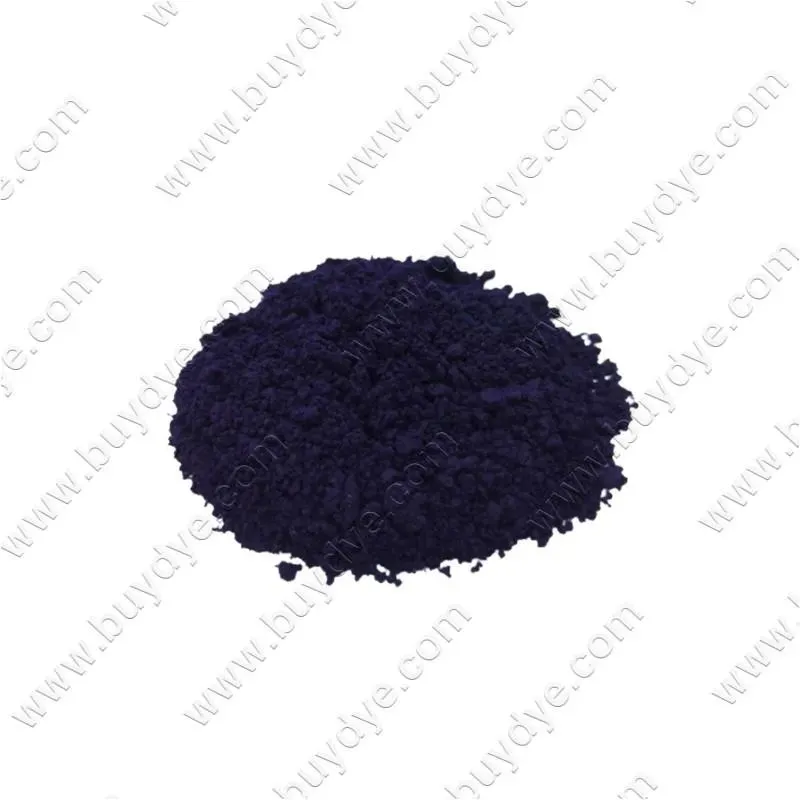
Mastering the handling of Sulphur Black Powder, Grain, and Flake—a key component in various industries such as textiles and photography—can significantly enhance your operational efficiency and product quality. In this guide, I will walk you through a structured approach that suits both novices and seasoned professionals. Together, we’ll delve into effective practices, potential challenges, and successful strategies to ensure your processes are as smooth as possible.
Before we dive into practical steps, it’s essential to grasp the nature of Sulphur Black forms—Powder, Grain, and Flake. Each variant possesses distinct handling and storage requirements, which can drastically impact your production outcomes. For instance, Sulphur Black BR 200% is revered for its precise color consistency and high solubility in applications. Ensuring you adhere to industry standards such as ASTM D1238 for testing processing properties is crucial throughout.
Start by assembling your safety equipment: gloves, goggles, and masks, as Sulphur Black can be a skin irritant. Employ a precise weighing scale with an accuracy of 0.01mm to measure out your materials. This precision is vital to maintain product quality.
Key Safety Considerations:
Choose a dry, cool place for storage. Use airtight containers to prevent moisture ingress that can lead to degradation of the materials. It's beneficial to label each container with product grades and handling instructions to mitigate any mix-ups.
Practical Tips:
When transferring Sulphur Black materials, employ specialized tools like pneumatic conveyors to reduce dust generation. For manual handling and mixing, consider using dust extraction systems to maintain air quality and safety.
Key Handling Practices:
Implement a rigid quality inspection protocol, ensuring 100% inspection of every batch prior to dispatch. Test relevant attributes in compliance with specific quality standards such as ISO 9001, verifying that your Sulphur Black meets all required specifications for granulation and solubility.
Let me share an example: a medium-scale dye manufacturer saw a 30% increase in production efficiency after adopting a structured handling guide similar to this one. By implementing the precise weighing and storage methods outlined above, they minimized waste and improved quality consistency. This change resulted in higher customer satisfaction and repeat orders.
To further streamline your operations with Sulphur Black, consider investing in:
While implementing new handling processes, you may encounter challenges such as employee resistance or the initial investment in new equipment. To combat these:
In conclusion, the effective handling of Sulphur Black Powder, Grain, and Flake is pivotal for operational success. By following the steps outlined—prioritizing safety, precise measurement, proper storage, rigorous quality control and leveraging industry best practices—I encourage you to embrace these strategies fully.
Let these practices become part of your daily operations; doing so will not only enhance your efficiency and product quality but also pave the way for growing customer trust in your offerings. Remember, implementing these guidelines could transform your operational capabilities and lead to remarkable business elevation.
For additional materials and critical insights, feel free to visit BuyDye. Embrace the change and witness the benefits of mastering handling practices for Sulphur Black across its various forms!
Pros and Cons of Solvent Dyes for Plastic Coloring
In the competitive landscape of plastic manufacturing, the significance of a comprehensive evaluation of coloring methods cannot be overstated. Many manufacturers face challenges such as inconsistent color quality, prolonged curing times, and inadequate adhesion during the production process. These challenges often lead to increased production costs and dissatisfied customers. Solvent dyes, such
Oct. 06, 2026
Handling Guide for Sulphur Black Powder, Grain, and Flake
Mastering the handling of Sulphur Black Powder, Grain, and Flake—a key component in various industries such as textiles and photography—can significantly enhance your operational efficiency and product quality. In this guide, I will walk you through a structured approach that suits both novices and seasoned professionals. Together, we’ll delve into effective practices, potential challenges,
Oct. 06, 2026
Solvent Blue 36 vs Blue Pigments for Transparent Plastics
When choosing colorants for transparent plastics, many users wonder whether to utilize Solvent Blue 36 or traditional blue pigments. This decision can impact product aesthetics, durability, and cost-effectiveness. Common user questions include: "Which option provides better clarity and brightness?" and "What is the cost difference?" This article compares these colorants by addressing pain points
Oct. 05, 2026


Navigation
Navigation
Contact Us
Tel: +86 22 2782 4571
Mob.: +86 152 2234 5826
Fax: +86 22 2782 7649
E-mail: sales@tianjinleading.com
WhatsApp: +86 152 2234 5826
WeChat: +86 152 2234 5826
Add.:2104 Jiali Center, No 73, Weijin Rd, Tianjin, China