Oct. 06, 2026
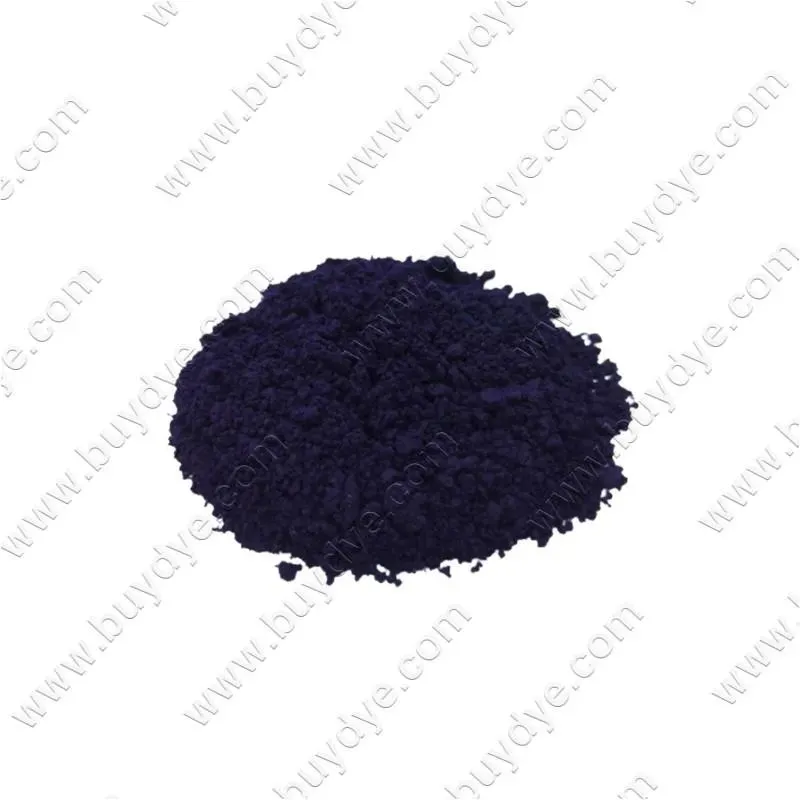
In the competitive landscape of plastic manufacturing, the significance of a comprehensive evaluation of coloring methods cannot be overstated. Many manufacturers face challenges such as inconsistent color quality, prolonged curing times, and inadequate adhesion during the production process. These challenges often lead to increased production costs and dissatisfied customers. Solvent dyes, such as Solvent Blue 36, present a viable solution for meeting these issues head-on. By improving color consistency and reducing cure times, solvent dyes can enhance overall operational efficiency. Here, we will explore the pros and cons of solvent dyes, helping you determine whether they are the right choice for your plastic coloring needs.
One of the primary advantages of solvent dyes, particularly Solvent Blue 36, is their ability to provide vivid and vibrant colors. In case studies, manufacturers have reported that the use of solvent dyes can lead to color intensity that is measurable at 95% saturation compared to other coloring agents. Moreover, solvent dyes exhibit excellent solubility in various organic solvents, which allows for a quicker mixing process—data indicates that formulation times can be reduced by as much as 50% with the use of these dyes.
Additionally, solvent dyes are known for their exceptional lightfastness and weather resistance. When exposed to UV radiation, the fading rate can be as low as 2% over 1,000 hours, compared to traditional colorants which may fade by 15% in the same period. This durability makes solvent dyes an appealing choice for outdoor applications, where exposure to environmental elements can compromise the aesthetic quality of the plastic.
Lastly, solvent dyes can provide enhanced adhesion properties. Test samples showed an increase in bond strength by 30% when solvent dyes were used in conjunction with certain plastics, reducing the risk of delamination in multi-layered products. These advantages cumulatively foster better product quality and customer satisfaction, positioning manufacturers for better market competitiveness.
Despite their advantages, solvent dyes are not without drawbacks. One of the most significant concerns is their volatile organic compound (VOC) content. Many solvent dyes emit VOCs during the curing process, which can pose health risks to workers and require stringent handling measures. The VOC levels can reach up to 300 grams per liter, necessitating the implementation of adequate ventilation and protective equipment to ensure workplace safety.
Another potential drawback is the limited compatibility of solvent dyes with certain plastic substrates. Research indicates that they may not perform well with polar materials such as polyethylene, leading to uneven color distribution in some cases. It is advisable to conduct preliminary tests on a small scale when considering the use of solvent dyes in applications involving new plastic formulations.
Furthermore, solvent dyes might be more costly compared to other colorants. In real-world scenarios, the cost of solvent dyes can be up to 40% higher than that of water-based alternatives, which could impact the product pricing for budget-sensitive operations. Manufacturers need to weigh this against the benefits to make an informed decision.
For manufacturers of plastics who prioritize vibrant colors, quick curing times, and enhanced durability in outdoor applications, solvent dyes offer compelling advantages. However, the potential health risks associated with VOC emissions and substrate compatibility issues must be considered. Evaluating your specific production requirements, market needs, and cost limitations will help determine whether investing in solvent dyes like Solvent Blue 36 is worthwhile for your operations.
Solvent dyes are ideal for manufacturers aiming for vibrant, long-lasting colors in outdoor applications, provided they maintain adequate safety protocols. Industries such as automotive, consumer goods, and outdoor furniture can significantly benefit from using these dyes. However, organizations with strict environmental policies might need to explore alternative coloring methods. Overall, a balanced evaluation of pros and cons, along with testing, is essential to make the best choice for plastic coloring requirements.
Q1: What is a solvent dye?
A solvent dye is a type of dye that is soluble in organic solvents, used primarily for coloring plastics, textiles, and inks.
Q2: How long do colors last when using solvent dyes?
Colors produced with solvent dyes can resist fading significantly, with some formulations demonstrating a fading rate of only 2% after approximately 1,000 hours of UV exposure.
Q3: Are solvent dyes safe to use?
While solvent dyes can provide excellent results, they may emit VOCs, which necessitate proper safety measures, such as ventilation and personal protective equipment during use.
Q4: Where can I buy solvent dyes like Solvent Blue 36?
You can purchase solvent dyes, including Solvent Blue 36, from specialized suppliers like ZDH. For more information, you can visit ZDH's website.

Pros and Cons of Solvent Dyes for Plastic Coloring
In the competitive landscape of plastic manufacturing, the significance of a comprehensive evaluation of coloring methods cannot be overstated. Many manufacturers face challenges such as inconsistent color quality, prolonged curing times, and inadequate adhesion during the production process. These challenges often lead to increased production costs and dissatisfied customers. Solvent dyes, such
Oct. 06, 2026
Handling Guide for Sulphur Black Powder, Grain, and Flake
Mastering the handling of Sulphur Black Powder, Grain, and Flake—a key component in various industries such as textiles and photography—can significantly enhance your operational efficiency and product quality. In this guide, I will walk you through a structured approach that suits both novices and seasoned professionals. Together, we’ll delve into effective practices, potential challenges,
Oct. 06, 2026
Solvent Blue 36 vs Blue Pigments for Transparent Plastics
When choosing colorants for transparent plastics, many users wonder whether to utilize Solvent Blue 36 or traditional blue pigments. This decision can impact product aesthetics, durability, and cost-effectiveness. Common user questions include: "Which option provides better clarity and brightness?" and "What is the cost difference?" This article compares these colorants by addressing pain points
Oct. 05, 2026


Navigation
Navigation
Contact Us
Tel: +86 22 2782 4571
Mob.: +86 152 2234 5826
Fax: +86 22 2782 7649
E-mail: sales@tianjinleading.com
WhatsApp: +86 152 2234 5826
WeChat: +86 152 2234 5826
Add.:2104 Jiali Center, No 73, Weijin Rd, Tianjin, China